
traditional Moroccan cookies recipe
🟢 Table of Contents
Introduction
Thank you for reading this post, don't forget to subscribe!Seffa with Raisins and Almonds
Main Ingredients for Seffa
Preparing the Vermicelli
Adding the Raisins
Seffa Serving Method
Triangle Baklava Recipe
Baklava Ingredients
Baklava Preparation Method
Kaab El Ghazal (Almond Crescent Cookies)
Ghriba with Sesame Seeds
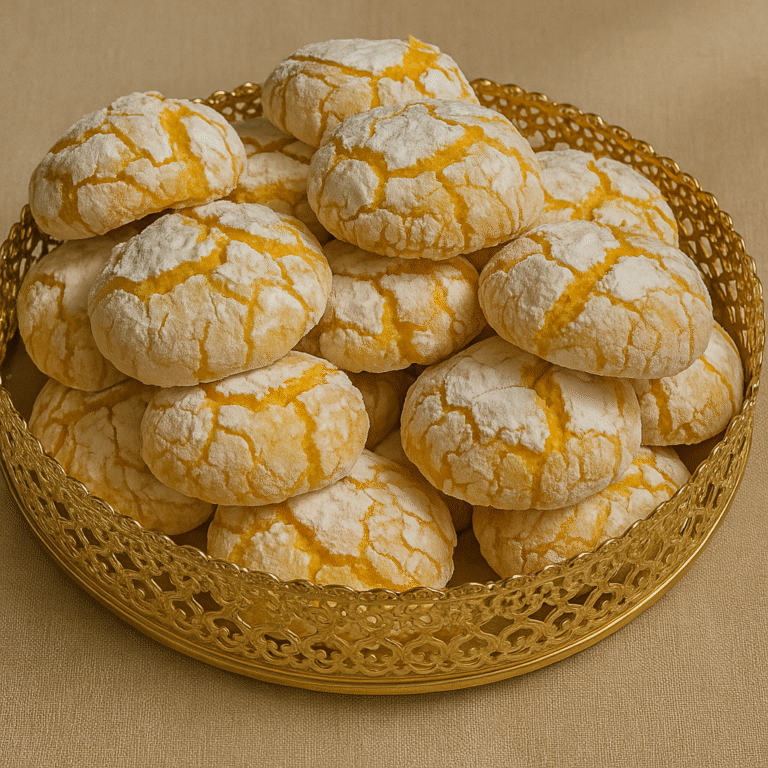
Arab Butter Cookies (Soft Ghriba)
Arab Chebakia
Chebakia Ingredients
Chebakia Preparation Method
Cultural Role of Arab Sweets
Ancestral Kitchen Techniques
Flavor Philosophy
Texture in Arab Pastries
Traditional Serving Methods
Nutritional Perspective
International Appeal
Preserving Culinary Heritage
Pros & Cons
Expert Balance Tip
Final Reflection
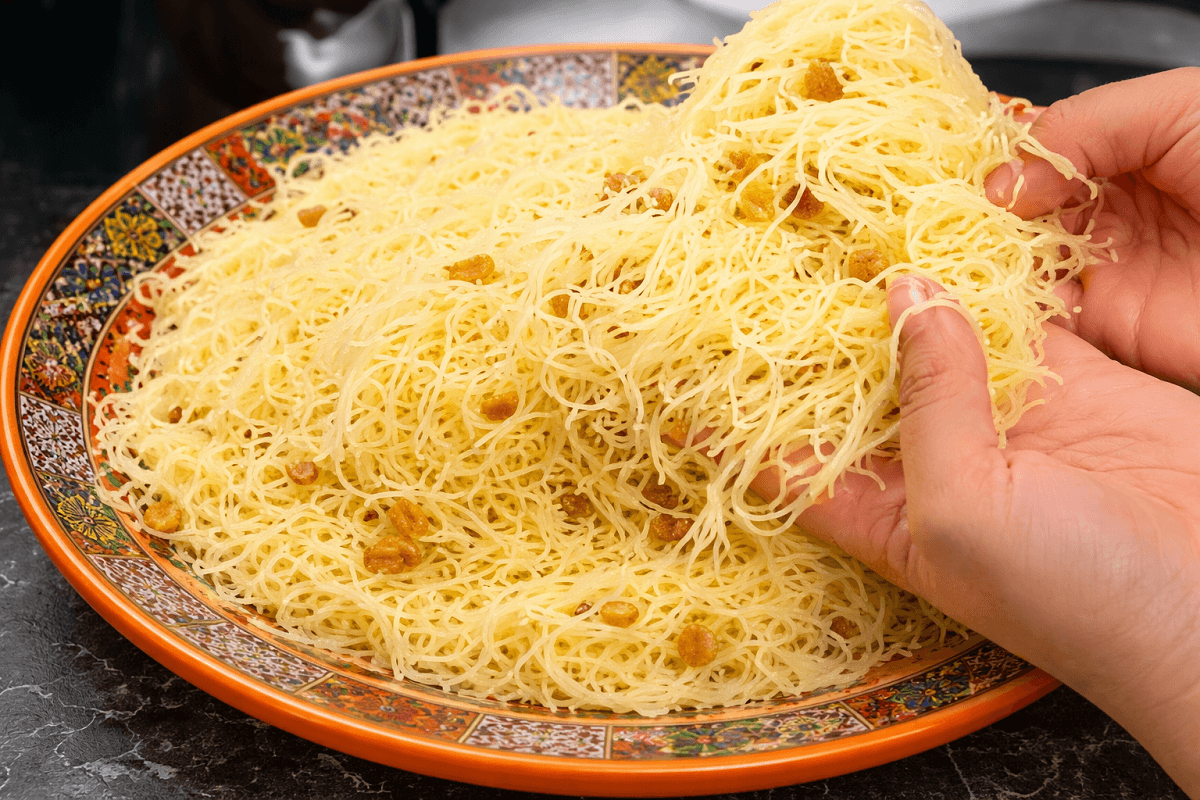
Seffa with raisins and almonds is one of the most famous traditional Moroccan sweet dishes.
It uses steamed vermicelli noodles flavored with milk, butter, and orange blossom water, then lightly sweetened and delicately spiced.
This dish is served during family gatherings, special occasions, and throughout the month of Ramadan.
🟢 Main Ingredients
360 g steamed vermicelli noodles
10 cl milk
1/2 teaspoon salt
2 tablespoons orange blossom water
150 g dried raisins (zbib)
40 g butter
50 g powdered sugar
🟢 For Serving
200 g peeled, toasted, and crushed almonds
2 tablespoons powdered sugar
1 teaspoon cinnamon
🟢 Preparing the Vermicelli
Place the steamed vermicelli in a large bowl while still hot.
Add the salt, butter, milk, powdered sugar, and orange blossom water, then gently mix until all flavors are well absorbed.Which ancestral North African kitchen methods
🟢 Adding the Raisins
Add the dried raisins to the vermicelli and mix carefully until evenly distributed without breaking the noodles.
If needed, steam the seffa for a few minutes to ensure a light, fluffy texture.
🟢 Serving Method
Shape the seffa into a dome or mound on a large serving plate.
Decorate the surface with a decorative pattern of powdered sugar and cinnamon.
Finish by placing the toasted, crushed almonds in the center and, optionally, scattering a few raisins on top.
🟢 Serving Tip
Serve Seffa warm, traditionally accompanied by Arab mint tea.
It can be enjoyed as a sweet main dish or as a refined dessert to end a Arab meal.
✅ Triangle Baklava
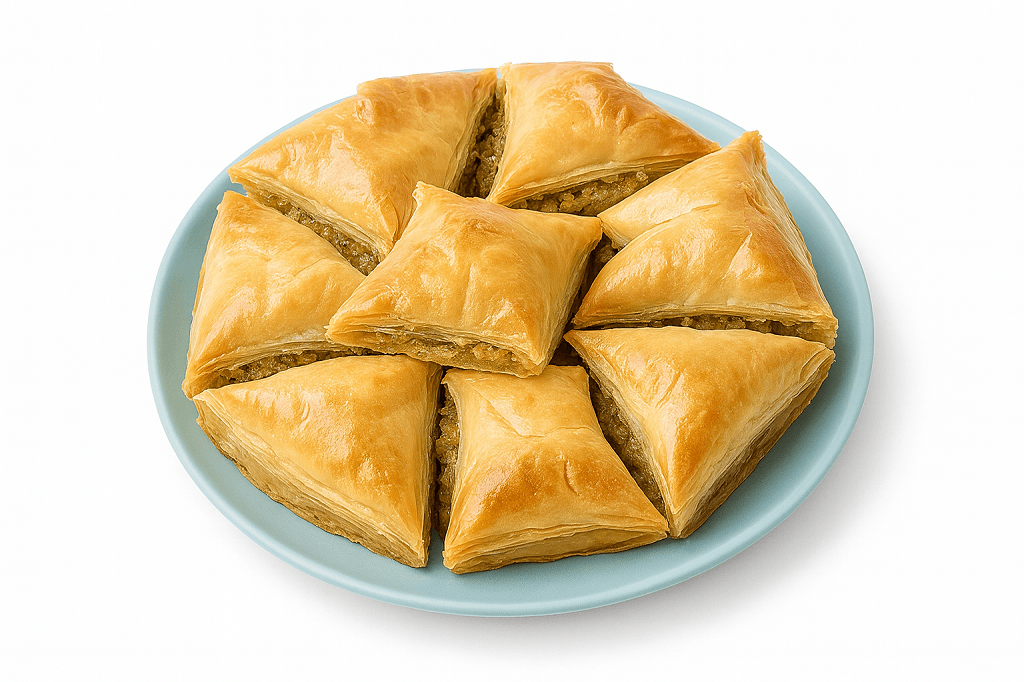
Triangle baklava is a classic Middle Eastern pastry made with ultra-thin phyllo dough, filled with finely chopped nuts, baked until golden and crisp, then soaked in a sweet filling, and finished with a glossy, honey-like glaze. This elegant dessert on special occasions, holidays, and festive gatherings.
✅ Ingredients
🟢 For the Baklava:
- 1 package phyllo dough
- 2 cups finely chopped almonds or pistachios
- 2 tablespoons sugar
- 1 teaspoon cinnamon
- 1 cup melted butter
🟢 For the Syrup:
- 2 cups sugar
- 1 cup water
- 1 teaspoon lemon juice
- 1 teaspoon orange blossom water or vanilla
✅ Preparation Method
1️⃣ Prepare the Filling
Mix the chopped nuts, sugar, and cinnamon in a bowl until well combined.
2️⃣ Shape the Triangles
Cut the phyllo dough into long strips. Brush each strip with melted butter. Place a small amount of filling at one end and fold into neat triangle shapes,Which ancestral North African kitchen methods
3️⃣ Bake
Arrange the triangles 181°C (351°F) for 25–30 minutes, or until golden and crispy.
4️⃣ Prepare the Syrup
Boil sugar and water for 5 minutes. Add lemon juice and orange blossom water, then remove from the heat and let it cool.
5️⃣ Syrup Soaking (Dipping Stage)
Pour the cool syrup immediately over the pastries. Let them absorb the syrup fully and cool completely.
✅ Serving Method
- Serve triangle baklava on a light blue or white plate to highlight its golden color.
- Garnish with crushed pistachios or chopped almonds.
- Best enjoyed with:
- Arabic coffee
- Mint tea
- Store in an airtight container at room temperature for up to two weeks.
🟢 1. Kaab El Ghazal (Moroccan Almond Crescent Cookies)
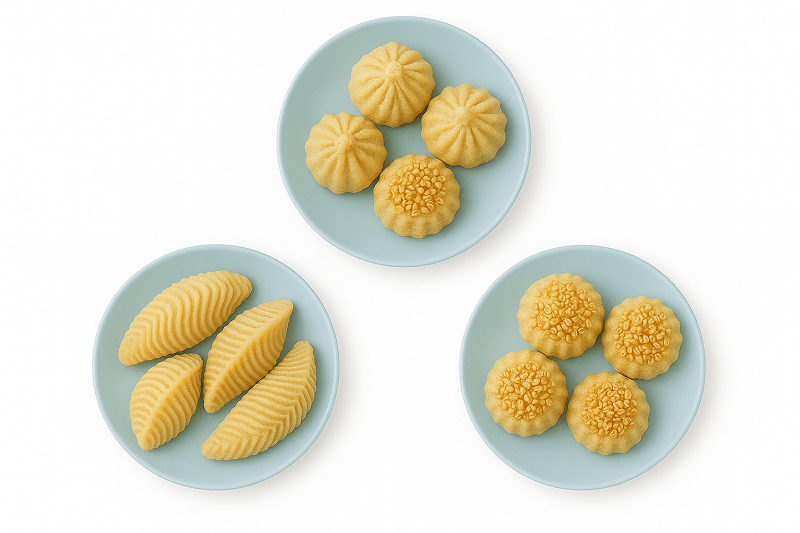
Kaab El Ghazal, also known as “Gazelle Horns,” is one of Arab’s most iconic pastries. These delicate crescent-shaped cookies are filled with fragrant almond paste flavored with orange blossom water and lightly dusted with powdered sugar. They attend weddings, celebrations, and special occasions.
✅ Ingredients
For the dough:
- 2 cups all-purpose flour
- 1/4 cup melted butter
- 1/4 cup vegetable oil
- 1 pinch salt
- Orange blossom water (as needed)
For the almond filling:
- 2 cups ground almonds
- 1 cup powdered sugar
- 1 tsp cinnamon
- Orange blossom water
- 1 tbsp melted butter
✅ Preparation Method
Mix all almond filling ingredients until smooth. Prepare the dough, roll it thin, fill with almond paste, shape into crescents, and bake at 170°C (340°F) for 12–15 minutes. Once cooled, dust with powdered sugar.
🟢 2. Ghriba with Sesame Seeds (Arab Sesame Cookies)
✅ Definition
Ghriba with sesame seeds is a crunchy-on-the-outside and tender-on-the-inside Moroccan cookie. Coated generously with golden sesame seeds, it delivers a rich, nutty flavor and pairs well with mint tea.
✅ Ingredients
- 3 cups fine semolina
- 1 cup powdered sugar
- 1 cup vegetable oil
- 1 tsp baking powder
- 1 tsp vanilla
- Sesame seeds (for coating)
✅ Preparation Method
Mix all ingredients until a soft dough forms. Shape into small balls, coat with sesame seeds, and bake at 180°C (350°F) for 12–15 minutes until lightly golden.
🟢 3. Arab Butter Cookies (Soft Traditional Ghriba)
✅ Definition
These soft Moroccan butter cookies are known for their tender texture and rich flavor. They are shaped into round or oval forms and often decorated with simple patterns, making them perfect for tea time and festive trays.
✅ Ingredients
- 2 cups flour
- 1/2 cup powdered sugar
- 1/2 cup butter
- 1 egg
- 1/2 tsp baking powder
- 1 tsp vanilla
✅ Preparation Method
Mix all ingredients into a soft dough, shape the cookies, and bake at 170°C (340°F) for 10–12 minutes until lightly golden.
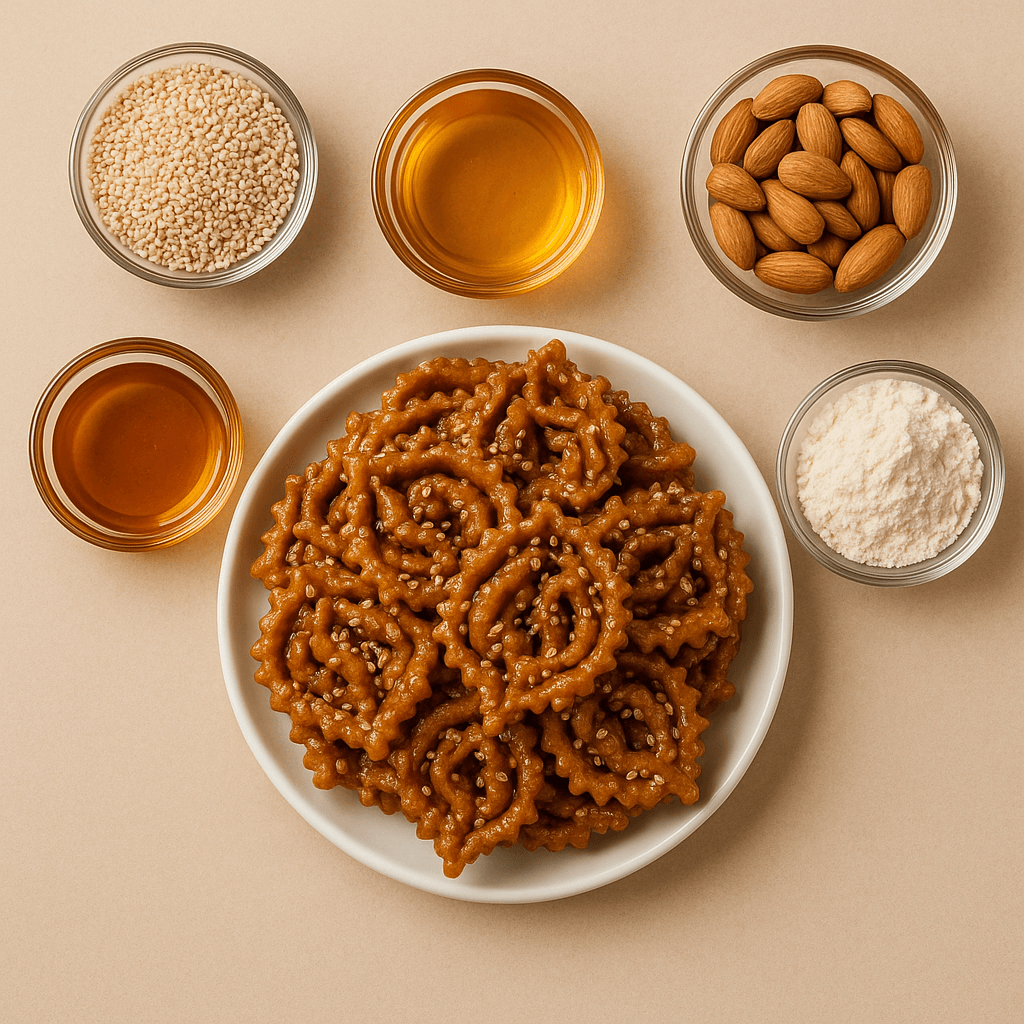
🟢 Moroccan Chebakia (Traditional Moroccan Honey
Moroccan Chebakia is a deep-fried sesame cookie delicately flavored with warm spices, orange blossom water, and saffron, then generously coated in golden honey. This iconic pastry is especially popular during Ramadan, when it is served with Moroccan harira soup. Its crispy texture, aromatic flavor, and glossy honey finish make it one of Morocco’s most celebrated desserts.
Chebakia perfectly represents Arab culinary heritage, combining the richness of honey, the nuttiness of sesame, and the elegance of floral spices into one irresistible bite.
✅ Ingredients
🟢 For the Dough:
- 4 cups all-purpose flour
- 1/2 cup ground toasted sesame seeds
- 1/2 cup ground almonds
- 1/4 cup melted butter
- 1/4 cup olive oil
- 1 tsp ground cinnamon
- 1/2 tsp ground anise
- 1/2 tsp saffron threads (soaked in warm water)
- 1 tsp baking powder
- 1/4 tsp salt
- 2 tbsp orange blossom water
- 1 egg
- Warm water (as needed to form dough)
🟢 For Frying & Coating:
- Vegetable oil (for frying)
- 2 cups natural honey
- 2 tbsp orange blossom water
- Toasted sesame seeds (for garnish)
✅ Preparation Method
1️⃣ Prepare the Dough
In a large bowl, mix flour, ground sesame, almonds, butter, olive oil, spices, saffron water, egg, baking powder, salt, and orange blossom water. Gradually add warm water until a smooth, soft dough forms. Cover and let it rest for 30 minutes.
2️⃣ Shape the Chebakia
Roll out the dough thin and cut into rectangles. Make several vertical cuts inside each piece, then carefully fold into the traditional chebakia flower shape.
3️⃣ Fry Until Golden
. Fry the cookies in batches until they become deep golden and crispy.
4️⃣ Honey Coating
Warm the honey gently with orange blossom water. Immediately dip the hot chebakia into the honey and coat well.
5️⃣ Final Touch
Sprinkle with toasted sesame seeds and allow to cool before serving.Which ancestral North African kitchen methods
✅ Serving & Storage
Chebakia can be stored in airtight containers for several weeks while maintaining its crunch and flavor. It pairs wonderfully with Arab mint tea or as a sweet companion to soups and festive meals.
🟢 The Cultural Role of Traditional Moroccan Sweets
Traditional Moroccan sweets play a central role in social life and cultural expression. They are not everyday desserts but symbolic foods prepared with care for meaningful moments such as Ramadan evenings, weddings, religious holidays, and family celebrations. Each sweet carries emotional value, reflecting generosity, hospitality, and respect for guests.
In Moroccan homes, sweets are often shared rather than consumed individually. Large trays are placed at the center of the table, encouraging togetherness and conversation. For European and American readers, this tradition highlights how desserts can strengthen social bonds and transform simple ingredients into cultural experiences.
🟢 Ancestral North African Kitchen Techniques
Moroccan pastries rely on ancestral techniques passed down through generations. Steaming, slow frying, careful dough resting, and aromatic infusion with orange blossom water or saffron are all methods rooted in patience and precision. These techniques aim to preserve texture, enhance flavor, and respect ingredients.
Unlike industrial baking, traditional North African kitchens emphasize handwork and intuition. Dough consistency is often judged by touch rather than measurements. This craftsmanship appeals to Western audiences interested in artisanal cooking and heritage recipes that prioritize skill over speed.
🟢 Flavor Philosophy: Balance Over Excess
Moroccan desserts focus on balance rather than extreme sweetness. Ingredients such as almonds, sesame seeds, honey, and semolina provide natural richness, while spices and floral waters add aroma without overpowering the palate. Sugar plays a supporting role instead of dominating the flavor.
This approach aligns well with European and American preferences for refined desserts that feel indulgent yet not overwhelming. The result is a collection of sweets that satisfy cravings while maintaining elegance and moderation.
🟢 Texture as a Signature Element
Texture defines Moroccan pastries as much as flavor. From the fluffy strands of seffa to the crisp layers of baklava and the tender almond filling of Kaab El Ghazal, each dessert offers contrast and complexity. Crunchy, soft, chewy, and airy textures coexist harmoniously.
For international audiences, these textures create a memorable eating experience similar to fine European pastries, yet distinguished by North African techniques and ingredients. Texture becomes a key reason why these sweets remain timeless and beloved.
🟢 When and How These Sweets Are Traditionally Served
Moroccan sweets are traditionally served with mint tea, which balances sweetness with freshness. They appear after meals, during afternoon tea, or as part of Ramadan tables alongside soups and light dishes. Presentation matters, with careful arrangement and decorative patterns enhancing the experience.
In European and American settings, these desserts fit beautifully into dessert platters, tea-time spreads, and festive buffets. Their small size encourages tasting variety rather than large portions, aligning with modern mindful eating habits.
🟢 Nutritional Perspective for Mindful Enjoyment
While Moroccan sweets are indulgent, many rely on nutrient-rich ingredients. Almonds and sesame seeds provide healthy fats, protein, and minerals. Honey offers natural sweetness, and spices contribute antioxidant properties. Portion size traditionally remains moderate, supporting balanced enjoyment.
For Western audiences, these desserts demonstrate how traditional sweets can be enjoyed consciously. Pairing them with tea and consuming them occasionally reflects a sustainable approach to indulgence.
🟢 Why Moroccan Sweets Appeal to International Audiences
Moroccan pastries resonate globally because they combine familiarity with discovery. Almond-based cookies, nut-filled pastries, and honey-glazed treats feel recognizable, while floral aromas and shaping techniques introduce something new.
Their artisanal nature, cultural story, and visual beauty appeal strongly to European and American readers who value authenticity, craftsmanship, and global food exploration.
🟢 Final Reflection: Preserving Heritage Through Sweets
Arab sweets are more than recipes; they are edible heritage. Each preparation preserves stories, traditions, and family memories. From steaming seffa to shaping chebakia flowers, every step honors generations of culinary wisdom.
For international cooks, preparing these sweets at home offers a meaningful way to connect with North African culture. Through simple ingredients and thoughtful techniques, Moroccan desserts invite the world to experience hospitality, artistry, and joy one bite at a time.
🟢 Pros & Cons of Traditional Arab & North African Sweets
✅ Pros (Advantages)
Rich cultural and historical value
These sweets represent centuries of North African culinary heritage. Each recipe reflects tradition, craftsmanship, and social rituals, making them more than desserts they are cultural symbols.
Use of natural, nutrient-dense ingredients
Almonds, sesame seeds, honey, semolina, and orange blossom water provide healthy fats, minerals, and antioxidants. Compared to heavily processed desserts, these sweets rely on whole ingredients.
Balanced sweetness and refined flavor
Arab sweets focus on aroma and texture rather than excessive sugar. Floral waters and spices create elegance and depth, which strongly appeals to European and American palates.
Wide variety of textures and experiences
From fluffy seffa to crispy baklava and honey-soaked chebakia, the diversity of textures offers a rich tasting experience that keeps dessert tables interesting and memorable.
Perfect for sharing and special occasions
These sweets are designed for gatherings, tea time, Ramadan, and celebrations. Their small portions encourage moderation and social enjoyment.
Excellent shelf life for some varieties
Many Arab sweets, such as chebakia and ghriba, store well for weeks when kept properly, making them practical for advance preparation.
Cons (Limitations)
Time-consuming preparation
Many traditional sweets require patience, multiple steps, and manual shaping. They may not suit quick or last-minute dessert needs.
Calorie-dense when overconsumed
Despite their natural ingredients, the combination of nuts, honey, butter, and sugar can be high in calories if eaten in large quantities.
Not naturally suitable for all diets
Most recipes contain gluten, nuts, or honey, which may not be appropriate for people with allergies or specific dietary restrictions without modification.
Skill-dependent results
Achieving the correct texture and shape often depends on experience. Beginners may need practice to reach authentic results.
Ingredient availability outside North Africa
Certain ingredients, such as orange blossom water or fine semolina, may require specialty stores in Europe or the United States.
🟢 Expert Balance Tip
For the best experience, enjoy these sweets in small portions, pair them with mint tea or Arabic coffee, and reserve them for special moments rather than daily consumption.